
What to Expect from Trusted Winter Snow and Ice Control Service in Shelley ID
Hiring snow and ice control in Shelley ID? Here’s exactly what to expect — pricing, response times, and real winter realities.
Shelley winters hit hard. We’re talking days where the temperature doesn’t crack 10 degrees, snowstorms that drop a foot overnight, and ice that hangs around streets and parking lots for weeks. If you live or run a business in this part of southeast Idaho, snow and ice control isn’t a luxury. It’s how you keep your property usable, your customers safe, and your insurance happy.But hiring a winter service company is one of those things most folks only think about when the first big storm hits. By then, the good crews are already booked. So today we want to walk through what you should actually expect from a proper snow and ice control service in Shelley — pricing, timing, scope, and what separates the pros from the side-gig pickup truck guys.
If you’re starting your search now, Idaho Falls Snow Removal has been working across Bonneville and Bingham counties for years and we know what Shelley properties really need through a long winter.
What “Snow and Ice Control” Actually Covers
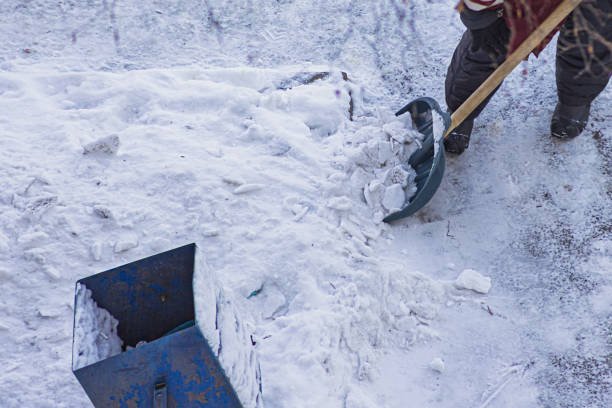
Quick reset, since the term gets thrown around loosely. A full snow and ice control service usually includes a handful of things working together — plowing, shoveling, deicing, salting or sanding, and sometimes hauling away big piles when the snowbanks get too tall.
A basic plow service just clears the snow. A real ice control service goes further. They watch the temperature, apply salt or magnesium chloride at the right times, and re-treat surfaces after melt-and-refreeze cycles that turn slush into rinks overnight.
Have you ever stepped out of your car in a plowed parking lot and slid 10 feet because the surface was sheet ice? That’s a plow without ice control. Two different jobs.
What to Expect on Pricing
Let’s talk money first. Folks always want to know.
For residential properties in Shelley, a typical winter service contract runs $400 to $1,200 for the season, depending on driveway size and what’s included. Per-visit rates land between $40 and $80 for plowing, with deicing adding another $25 to $60 per application.
Commercial properties run higher. A small office or retail lot might pay $1,500 to $4,000 for the season. Larger parking lots, apartment complexes, or industrial sites can easily run $8,000 to $25,000 per winter.
Here’s a quick reference based on what we see in the Shelley area:
| Property Type | Seasonal Range | Per-Visit Range | Ice Control Included? |
| Small driveway | $400 – $700 | $40 – $60 | Usually extra |
| Large residential | $700 – $1,200 | $55 – $80 | Sometimes |
| Small commercial | $1,500 – $4,000 | $150 – $300 | Often yes |
| Mid commercial | $4,000 – $9,000 | $250 – $550 | Yes |
| Large commercial | $9,000 – $25,000+ | $500 – $1,500 | Yes |
These are real Shelley numbers, not big-city pricing. If a quote lands way above or way below these ranges, ask for a breakdown.
What to Expect on Response Time
Response time matters more than most folks realize until they’ve experienced a bad one. A good Shelley winter service has clear written response windows in their contract.
Residential customers should expect service within 6 to 12 hours of a trigger snowfall (usually 2 inches). Commercial accounts with morning opening times get priority — typically cleared and treated before 7 AM if the storm finished overnight.
During back-to-back storms or major events, response times stretch. A real service will tell you up front how they handle peak weather. The sketchy ones promise the moon and disappear when the moon shows up.
The Salt and Sand Question
Idaho winters often dip below 15 degrees, which is the lower limit where regular sodium chloride (rock salt) actually works. Below that, you need different products.
Magnesium chloride works down to about minus 10. Calcium chloride goes even colder. Sand doesn’t melt anything but gives traction on top of ice. A real winter service carries the right material for the right conditions.
According to NOAA climate data, Shelley averages around 36 nights below 10 degrees each winter. That’s a lot of cold-weather ice management. Make sure your service has the products and the knowledge to handle it.
For property owners who want a crew that handles ice control as carefully as they handle plowing, Trusted Winter Snow and Ice Control Service in Shelley ID is the kind of local team that knows what this winter climate demands.
What to Expect on Equipment
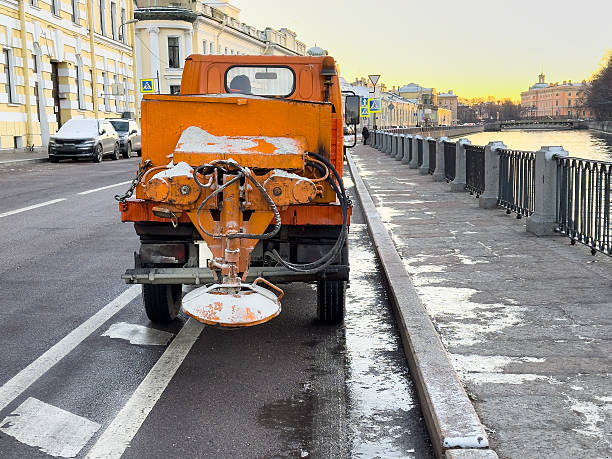
A real winter service shows up with the right gear. For residential work, that means a plow truck with a 7-to-9-foot blade, a salt spreader, and hand tools for walks and steps.
For commercial work, expect bigger trucks, sometimes skid steers with snow buckets, large-capacity salt spreaders, and snow blowers for tight spots. Larger lots may need a wheel loader to push snow back during heavy seasons.
A guy with one pickup truck cannot service a 50-stall commercial lot during a 14-inch storm. He’ll be there for hours, and your customers can’t get in. Match the equipment to the job size.
The Hauling Question
Here’s something most folks don’t think about until February. Where does the snow actually go after the plow pushes it?
For residential properties, snow piles up at the edges of driveways and yards. Usually fine. For commercial lots, those piles get huge fast. By midwinter, they can block parking spaces, sight lines, and even fire lanes.
That’s where snow hauling and disposal comes in. A good winter service will haul snow off-site when piles get too tall, usually using dump trucks and loaders. They take it to a designated disposal site approved by the city or county.
A snow hauling job for a mid-size commercial lot typically runs $1,500 to $5,000 per haul, depending on how many truckloads it takes. Most commercial properties need 1 to 3 hauls per winter in Shelley.
What a Real Contract Should Include
Don’t sign anything without these basics spelled out:
- Trigger depth (when do they come out)
- Response time window
- Service scope (driveway, walks, steps, deicing)
- Salt or chemical type used
- Insurance coverage amounts
- Payment terms and schedule
- What happens during major storms
- Hauling included or extra
The Federal Highway Administration estimates that snow and ice-related crashes cost over $42 billion in losses annually in the U.S. That’s a real number that shows how much winter weather matters for safety and liability. A solid contract protects you when things go sideways.
A Shelley Story Worth Sharing
Last winter we got a call from a property manager who runs a small strip mall off State Street. His previous winter service had ghosted him during a back-to-back storm cycle in early February. Three tenants couldn’t open their stores on a Saturday because the lot wasn’t plowed.
By the time we got out there, the snow had compacted into about 6 inches of dense ice across most of the lot. We had to use a skid steer to break it up, then haul off the chunks. The remediation cost him close to $4,800. His normal service would have been $400.
The lesson? A reliable winter service is worth paying a real rate for. Cheap-and-gone costs more in the end than fair-and-steady.
Communication During the Season
What separates good services from great ones is communication. A great winter service sends text or email updates during storms — “we’re on route, expect service by 6 AM” or “ice control reapplied due to overnight refreeze.” That kind of visibility makes a long winter way less stressful.
If your current service goes radio silent during storms, that’s a sign to start looking for next year.
Wrapping It Up
Hiring winter snow and ice control in Shelley is part of doing right by your property, your customers, and your family. Know what to expect on pricing, response times, equipment, and contract terms — and don’t settle for vague answers when you’re asking real questions. A solid winter service costs more than the cheapest bid but saves you from the bigger costs of failed service when storms hit hardest. For property owners ready to lock in a real crew, the Best Snow Hauling and Disposal Company in Shelley ID team is a strong place to start the conversation.
FAQs
When should I sign a winter snow and ice control contract?
October is the sweet spot. Most reliable Shelley crews fill up their regular customer slots before the first snowfall hits. By December, the good ones are full and you’re picking from whoever has openings — usually the operators with reliability issues. Booking early gets you better rates too, since some services offer early-signup discounts.
Is salting included with snow plowing or is it separate?
This varies by contract. Some bundled packages include both. Others charge per salting application on top of plowing. Always ask up front what’s included. If you have foot traffic on your property or open to the public, ice control matters as much as plowing for liability reasons. Get the answer in writing before signing anything.
What happens if I’m not happy with the service partway through winter?
A real contract spells out cancellation terms. Some allow exit with 30 days notice. Others lock you in for the season. Read this section carefully before signing. The good operators don’t need lock-in clauses because their work speaks for itself. If a service insists on hard lock-ins with no recourse, that’s a sign they get complaints often.
Can residential customers get snow hauling service too?
Usually no, and you usually don’t need it. Most residential properties have enough yard space for snow piles. Hauling makes financial sense mainly for commercial lots where piles take up parking spots or block sight lines. The cost of a residential haul typically isn’t worth it unless you have unusual circumstances like a steep driveway with nowhere to push the snow.
What’s the difference between salt, sand, and chemical deicers?
Sodium chloride (rock salt) is cheapest and works down to about 15 degrees. Magnesium chloride and calcium chloride work in much colder temps but cost more. Sand doesn’t melt ice — it just provides traction on slippery surfaces. A good Shelley winter service uses different products for different conditions. Ask which they use and at what temperatures.
October is the sweet spot. Most reliable Shelley crews fill up their regular customer slots before the first snowfall hits. By December, the good ones are full and you’re picking from whoever has openings — usually the operators with reliability issues. Booking early gets you better rates too, since some services offer early-signup discounts.
This varies by contract. Some bundled packages include both. Others charge per salting application on top of plowing. Always ask up front what’s included. If you have foot traffic on your property or open to the public, ice control matters as much as plowing for liability reasons. Get the answer in writing before signing anything.
A real contract spells out cancellation terms. Some allow exit with 30 days notice. Others lock you in for the season. Read this section carefully before signing. The good operators don’t need lock-in clauses because their work speaks for itself. If a service insists on hard lock-ins with no recourse, that’s a sign they get complaints often.
Usually no, and you usually don’t need it. Most residential properties have enough yard space for snow piles. Hauling makes financial sense mainly for commercial lots where piles take up parking spots or block sight lines. The cost of a residential haul typically isn’t worth it unless you have unusual circumstances like a steep driveway with nowhere to push the snow.
Sodium chloride (rock salt) is cheapest and works down to about 15 degrees. Magnesium chloride and calcium chloride work in much colder temps but cost more. Sand doesn’t melt ice — it just provides traction on slippery surfaces. A good Shelley winter service uses different products for different conditions. Ask which they use and at what temperatures.